Estate Sales in Vancouver: 8–12 Week Renovation Plan for Maximum Value
 Ale Moreno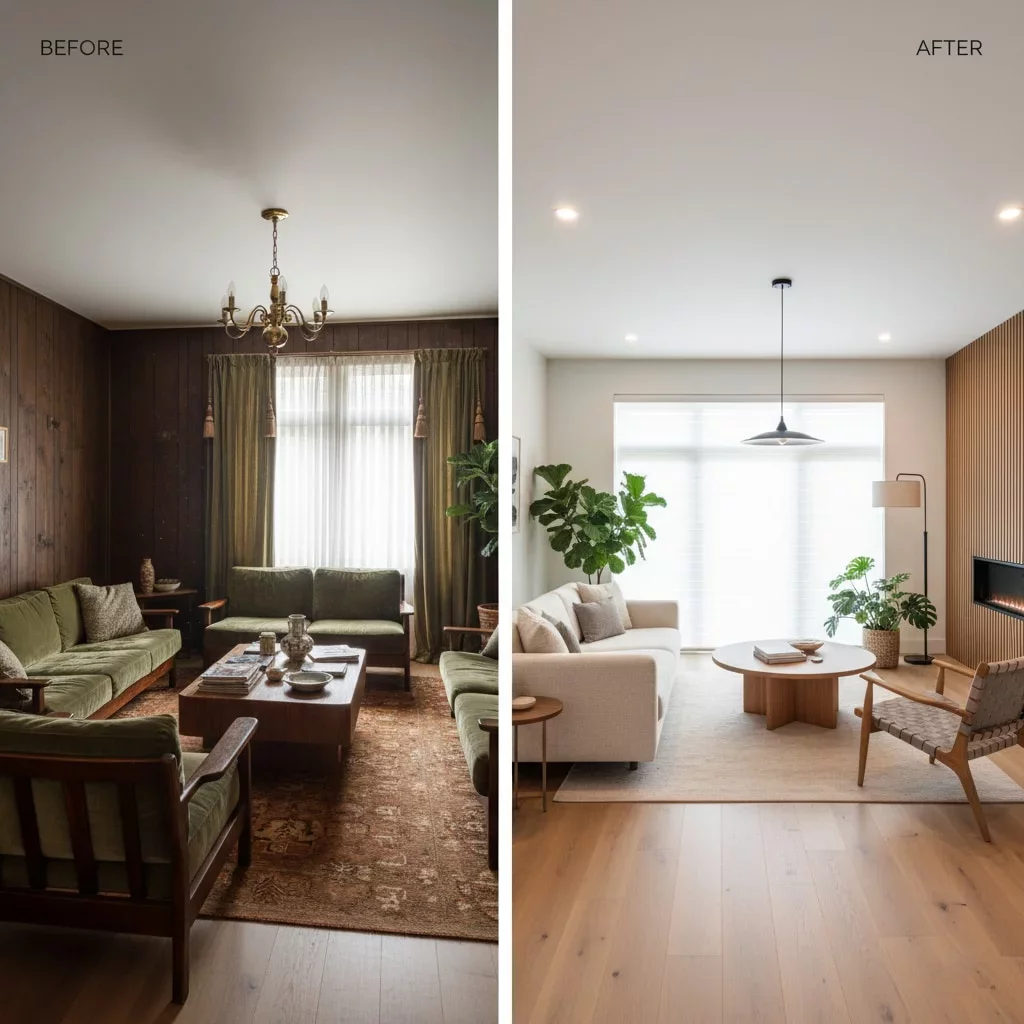
Handling the sale of a family home is an emotional and logistical challenge. When that home is a large, detached property in Vancouver, the complexities multiply. The city’s dynamic real estate market presents a unique opportunity, but also significant risks for executors and beneficiaries. Many of Vancouver's beautiful, older homes, passed down through generations, no longer meet the expectations of today’s luxury buyers. Selling them "as-is" often means leaving hundreds of thousands of dollars on the table.
This is the difficult situation many families face. They are often grieving while simultaneously navigating the legal intricacies of the BC probate process, which can be lengthy and confusing. Meanwhile, the vacant property becomes a source of stress and financial drain. It requires specialized vacant home insurance, is susceptible to vandalism or weather damage, and its value can stagnate or even decline as the market shifts. The pressure to sell quickly can lead to accepting a lowball offer on a property that, with the right strategic updates, could have honoured a legacy and provided significant financial security for the heirs.
But there is a better way. You don’t have to choose between a quick sale and a profitable one. This guide provides a clear, actionable 8–12 week roadmap designed specifically for estate sales of large homes in Vancouver. It shows how to run the essential legal and administrative tasks like probate and financing in parallel with a targeted, high-ROI renovation. At Elevy, we specialize in partnering with families to manage this entire process. We transform dated properties into market-ready homes that attract premium offers, ensuring the final sale price reflects the home’s true potential. This plan is your blueprint for a seamless, dignified, and financially rewarding estate sale.
Why Estate Homes Often Undersell in Vancouver
An estate home holds a lifetime of memories, but its market value is determined by its condition, not its sentiment. In Vancouver's competitive market, buyers of large, single-family homes are discerning. They are looking for modern, move-in-ready properties and will heavily discount homes that require significant work. Simply listing an older home "as-is" is often the quickest way to an underwhelming sale price.
Common Deal-Killers for Vancouver Buyers
Several issues common in older Vancouver homes can deter potential buyers or drastically lower their offers:
Outdated Interiors: Kitchens with laminate countertops and 1980s oak cabinets, bathrooms with coloured fixtures, worn-out carpets, and closed-off, choppy floor plans are major red flags. Modern buyers expect open-concept living spaces, spa-like ensuites, and gourmet kitchens.
Deferred Maintenance: An aging roof, an inefficient furnace, or original single-pane windows signal major upcoming expenses to a buyer. These are not just cosmetic issues; they are significant financial liabilities.
Hidden Environmental Hazards: The potential for underground oil tanks (a common feature in pre-1970s homes), asbestos in drywall or insulation, and knob-and-tube wiring can scare away even seasoned buyers or lead to costly remediation negotiations.
Envelope and Structural Concerns: Issues with a home’s “building envelope”—the separation between the interior and exterior environments—can lead to problems like drafts, leaks, and mould. These are complex and expensive to fix, making buyers extremely cautious.
The Psychology of the Luxury Buyer
Buyers in the multi-million dollar detached home market are not looking for a "project." They are typically busy professionals and families who want a turnkey home. When they view a dated property, they don’t just calculate the cost of renovations; they add a significant premium for the time, hassle, and uncertainty involved. An estimated $150,000 kitchen renovation is often perceived as a $250,000 problem in their minds. This mental accounting leads to offers that are far below the property's potential post-renovation value.
According to the Real Estate Board of Greater Vancouver (REBGV), the benchmark price for a detached home remains in the millions. For a property in this price bracket, a modern, updated aesthetic is not a luxury, it's an expectation. An unrenovated estate home is competing against newly built or recently updated properties, and it will always be at a disadvantage without strategic improvements.
Probate, Insurance & Financing: What to Handle First (in Parallel)
Before any renovations can begin or a "For Sale" sign is placed on the lawn, several critical administrative tasks must be addressed. The key to an efficient 8–12 week timeline is tackling these legal and financial hurdles concurrently with the renovation planning. In British Columbia, the probate process in BC confirms the validity of a will and enables asset distribution.
Understanding the Probate Timeline in BC
Probate is the legal process of validating a will and confirming the executor's authority to manage the deceased's assets, including real estate. In British Columbia, obtaining the official Grant of Probate can take anywhere from 6 to 12 weeks, and sometimes longer if the application is complex or the court is backlogged.
While you cannot officially transfer the property title until the Grant of Probate is issued, you do not have to wait for it to be finalized to prepare the home for sale. The executor can, and should, use this waiting period productively to plan and execute renovations, get the property appraised, and even begin marketing efforts.
The Critical Need for Vacant Home Insurance
Once a home is unoccupied for more than a few days (the exact period varies by policy, but can be as short as 4 days), standard home insurance is often voided. For an estate property that will be empty during the probate and renovation period, securing vacant home insurance is non-negotiable.
Why It's Crucial: It protects the estate against significant financial loss from risks like fire, water damage (e.g., burst pipes), vandalism, and liability. Without it, the executor could be held personally responsible for any damages.
Requirements: Insurers will typically require proof that the property is being regularly checked (e.g., once every 72 hours), the utilities are maintained, and the home is secure.
Costs: Premiums are higher than standard insurance due to the increased risk, but this cost is a necessary expense for protecting a multi-million dollar asset.
Financing Options for Estate Renovations
Funding a pre-sale renovation can be a challenge, as the estate may not have liquid cash available. Fortunately, several financing options exist:
Bridge Loans or Private Lending: These short-term loans can be secured against the property's equity to fund the renovation. They are designed to be paid back from the proceeds of the sale.
HELOC (Home Equity Line of Credit): If a surviving spouse or co-owner is on the title, they may be able to use an existing HELOC.
Beneficiary Contribution: If all beneficiaries agree, they can contribute funds towards the renovation, with reimbursement upon sale.
Elevy's Partnership Model: At Elevy, we can help facilitate financing solutions tailored to estate situations, connecting you with trusted lending partners who understand the unique needs of pre-sale renovations.
The 8–12 Week Roadmap for a Successful Estate Sale
This timeline is designed for maximum efficiency, overlapping the administrative waiting periods with proactive, value-adding work on the property. The bulk of the timeline is the 6–8 week renovation, which transforms the home from a dated liability into a premium asset.
-c5geki9kmh.webp)
Phase 1: Strategy & Setup (Weeks 1-3)
Consultation & Proposal (Week 1): The process begins with a comprehensive assessment of the property. We evaluate its current condition, identify key areas for improvement, and analyze market data to determine its "as-is" value versus its potential post-renovation value. Based on this, we develop a strategic renovation proposal focused entirely on maximizing ROI.
Review & Contract (Week 1–2): We present a detailed scope of work, a transparent cost breakdown, and a clear timeline. This ensures all stakeholders understand the plan and the expected outcomes before any commitment is made. We then move to a formal contract.
Financing (Week 2, in parallel): While the contract is being reviewed, we work with the executor to secure any necessary financing for the renovation. This step runs parallel to other setup activities to avoid delays.
Kickoff (Week 2–3): Once the agreements are in place, the project officially kicks off. The property is cleared of remaining contents, and any safety hazards (like asbestos or knob-and-tube wiring) are professionally addressed before the main renovation work begins.
Phase 2: Execution (Weeks 3-12)
Renovation (Week 3–8): This is the core of the transformation. Our expert design and construction teams execute the plan, focusing on the updates that matter most to Vancouver buyers:
Kitchens & Bathrooms: New cabinetry, quartz countertops, modern fixtures, and efficient layouts.
Primary Suite: Creating a serene, spa-like ensuite and walk-in closet.
Curb Appeal: Landscaping, exterior paint, a new front door, and updated lighting to make a powerful first impression.
Systems & Finishes: Upgrading flooring, lighting, and paint throughout the home. We only tackle major mechanical systems if they are a safety concern or offer a clear and substantial return on investment.
Staging (Week 9): Once the renovation is complete, professional stagers furnish and decorate the home. Staging helps buyers visualize themselves living in the space and highlights the property's best features, which is crucial for the luxury market.
Listing (Week 10): We coordinate high-end real estate marketing, including professional photography, cinematic video tours, and drone footage. The property is then listed on the MLS, and we work seamlessly with your chosen real estate agent to manage showings and marketing.
Closing the Sale (Week 10–12): The result of this strategic process is strong buyer interest and competitive offers. We assist in the negotiation process to ensure you secure the best possible price and terms.
Enjoy (Post-Sale): With the sale complete, the estate is settled, the legacy of the home is honoured, and the beneficiaries can move forward with peace of mind and the full financial value of their inheritance.
What Type of Renovations Add the Most Value (and When to Stop)
The goal of a pre-sale renovation is not to build your dream home; it's to appeal to the broadest possible range of buyers and generate the highest return on investment. Over-capitalizing is a real risk. That's why Elevy uses a data-driven framework to decide what to renovate.
Tier 1: High-Impact Cosmetic Updates: This is the baseline for almost every property. It includes professional painting in a neutral palette, refinishing or replacing flooring, updating light fixtures, and basic landscaping. These changes are relatively low-cost but dramatically improve the look and feel of a home.
Tier 2: The Money-Makers (Kitchens & Bathrooms): These are the two rooms that sell houses. A modern, open kitchen and updated, clean bathrooms are essential for attracting premium offers in Vancouver. The goal is a clean, timeless look—not overly personalized or trendy.
Tier 3: Major Systems & Structural Changes: This includes replacing the roof, furnace, or windows, or undertaking significant structural work like seismic upgrading. These projects are expensive and have a lower direct ROI. We only recommend them if a system is failing and would be flagged during a home inspection, thereby jeopardizing a sale.
Our approach is surgical. We focus on the renovations that analytics show will deliver a return, often two to three times the initial investment, and advise against those that won't.
Case Study: Transforming an Estate Home in North Vancouver
Imagine a classic 1970s detached home in a desirable North Vancouver neighbourhood. The home was well-loved but had not been updated in over 30 years. The executor, living out of province, was overwhelmed by the prospect of managing a sale and was considering an "as-is" offer that was well below the neighbourhood average.
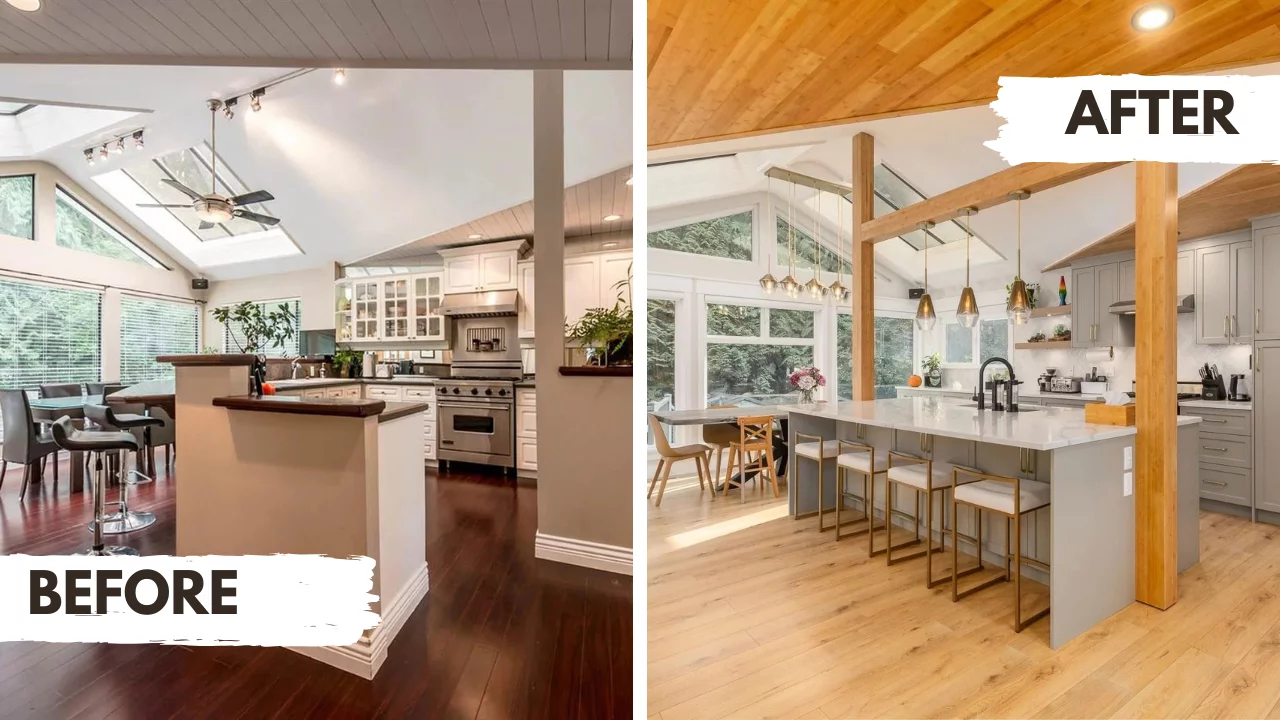
The "Before": The home featured a closed-off kitchen with dark wood cabinets, shag carpeting, a dated master bathroom, and an overgrown yard. Its "as-is" valuation was approximately $2.1 million.
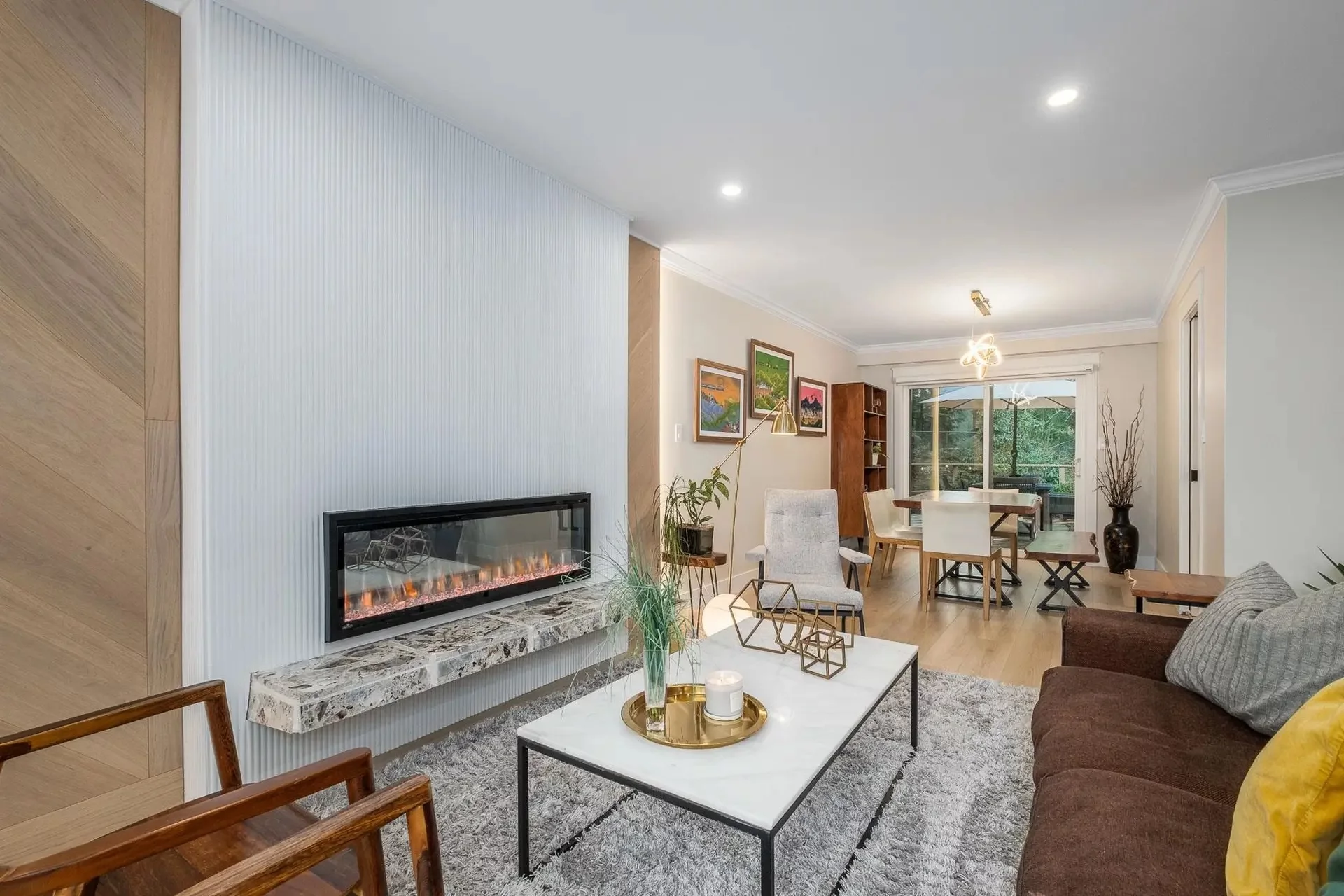
The Elevy Plan: We proposed a 7-week renovation with a budget of $180,000. The plan focused on opening the main floor by removing a non-structural wall between the kitchen and living room, adding a stylish accent wall with LED lighting and an electric fireplace, a complete kitchen and master bathroom remodel, new wide-plank hardwood flooring, a modern neutral paint palette, and a significant landscaping cleanup to enhance curb appeal.
The "After": The transformed home was bright, modern, and aligned with what buyers in North Vancouver were looking for. After professional staging and marketing, the property received multiple offers and sold for $2.65 million. The $180,000 investment generated an additional $370,000 in net profit for the estate—a return they never would have seen with an "as-is" sale.
FAQs About Estate Sales & Renovations in Vancouver
1. How long does probate really take in BC?
While the typical timeframe is 6–12 weeks from the date of application, it can be faster or significantly longer depending on the complexity of the estate and the court's current processing times. The key is to use this time wisely to prepare the property for sale.
2. Can we sell the home before probate is granted?
You can list the property and even accept an offer "subject to probate." This is common practice in BC. However, the sale cannot legally complete (i.e., title cannot be transferred) until the court issues the Grant of Probate.
3. Do we absolutely need vacant home insurance?
Yes. It is an essential safeguard for one of the estate's most valuable assets. A standard home insurance policy is typically void if a home is unoccupied for an extended period, leaving the estate exposed to catastrophic financial loss.
4. How can we finance renovations if the estate has no cash?
Several options exist, from private loans secured against the home's equity to specialized financing solutions offered through partners like Elevy. These instruments are designed to be repaid from the sale proceeds, so no out-of-pocket funds are required from the executor or beneficiaries.
5. Which renovations actually increase the sale price?
Data consistently shows that kitchen and bathroom renovations offer the highest ROI. Following those are cosmetic updates like paint, flooring, and lighting. We've also found that targeted, high-impact features like a stylish accent wall can offer a significant visual return for a relatively modest cost. Curb appeal is also incredibly important as it forms the first impression. The key is to make strategic, market-driven choices rather than emotionally driven ones.
Conclusion
Selling an estate home in Vancouver presents a unique set of challenges, but with a strategic plan, it can be a smooth and highly rewarding process. The 8–12 week roadmap outlined here demonstrates that you don’t have to sacrifice value for speed. By running the legal and administrative processes of probate in parallel with a targeted, high-ROI renovation, you can transform a dated property into a premium home that commands top dollar. This approach not only maximizes the financial inheritance for the beneficiaries but also honours the legacy of the home itself.
The journey can feel daunting, but you don't have to walk it alone. Elevy was created to lift the strategic, logistical, and emotional burden from your shoulders. We manage everything from the initial assessment and renovation plan to the final staging and coordination with your real estate agent. We turn complexity into clarity and potential into profit.
Book a consultation with Elevy today and discover how we can transform your estate home sale into a seamless, rewarding experience.